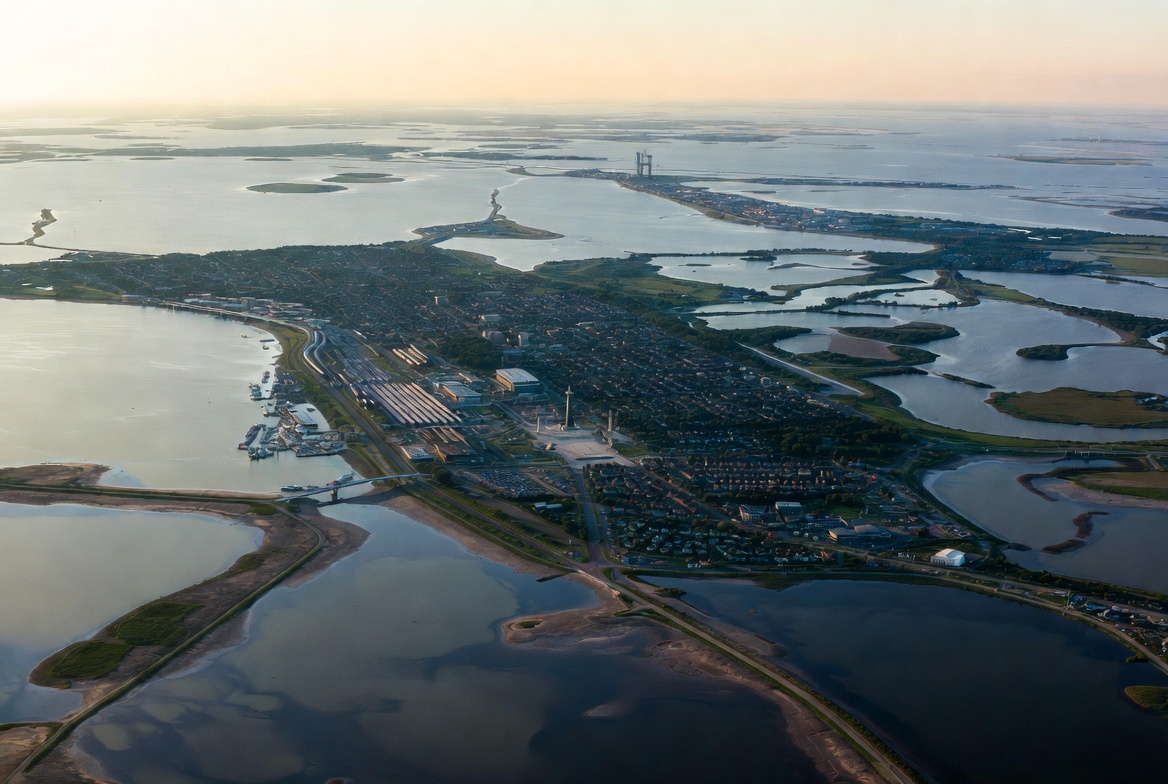
A new land rising from the North Sea — reconnecting Britain and Europe through an archipelago of islands built for energy, ecology, and the centuries ahead.
Ex Mare, Vita Nova — From the Sea, New Life
Discover the VisionEight thousand years ago, Doggerland connected Britain to continental Europe. Rising seas swallowed it. Now, for the first time in human history, we have the engineering, the will, and the urgency to build it back.
The Project
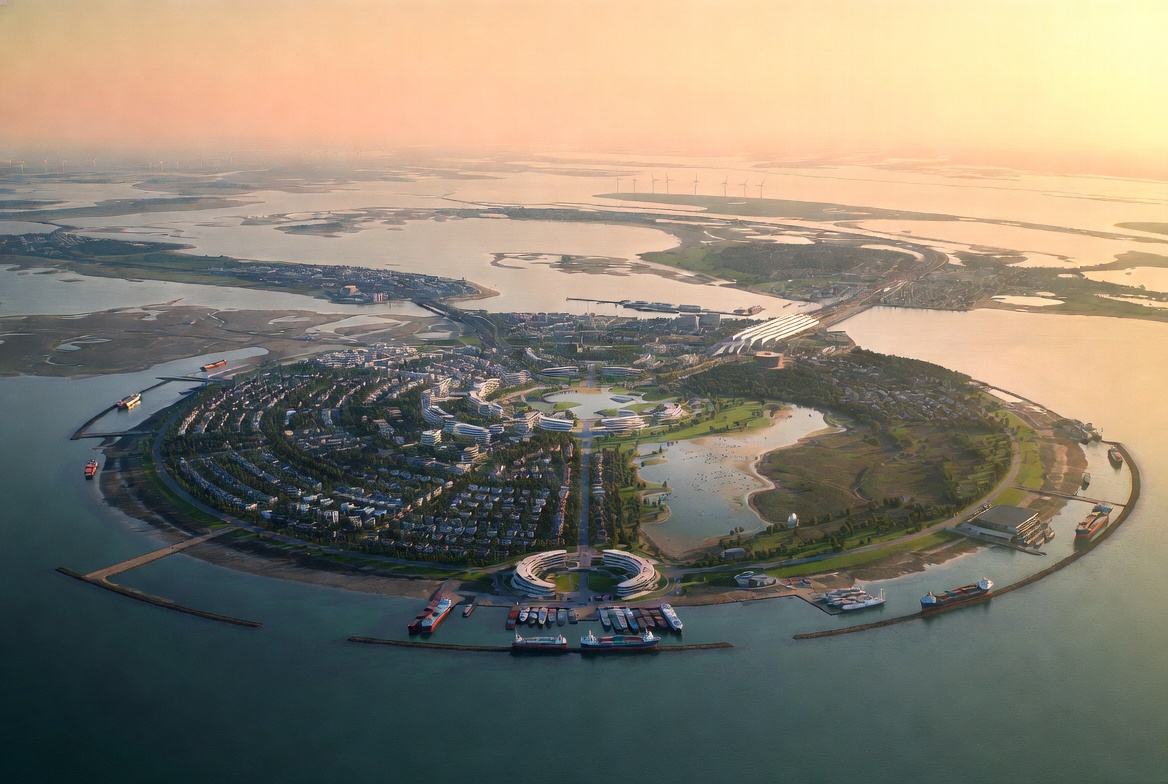
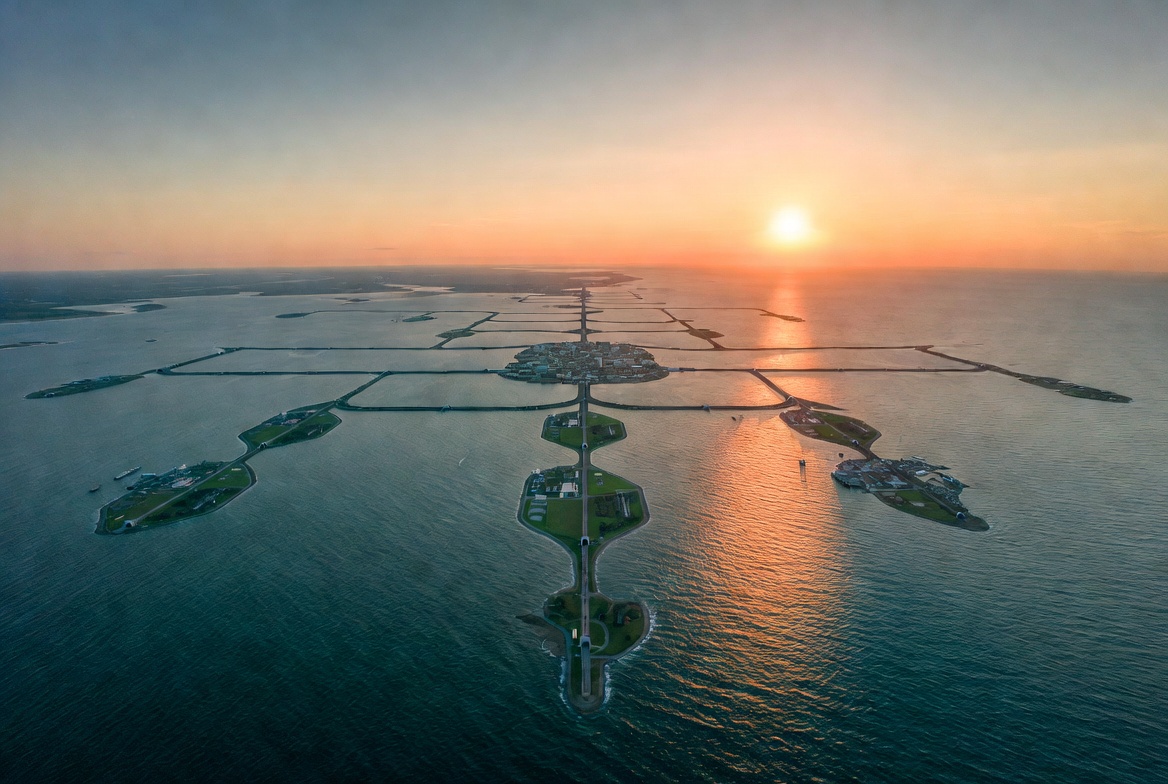
Nieuw Doggerland is a binational infrastructure project to construct a chain of artificial archipelagos across the North Sea, connecting Hull to Rotterdam via a central hub island on the Dogger Bank — a site already host to the world's largest offshore wind farm.
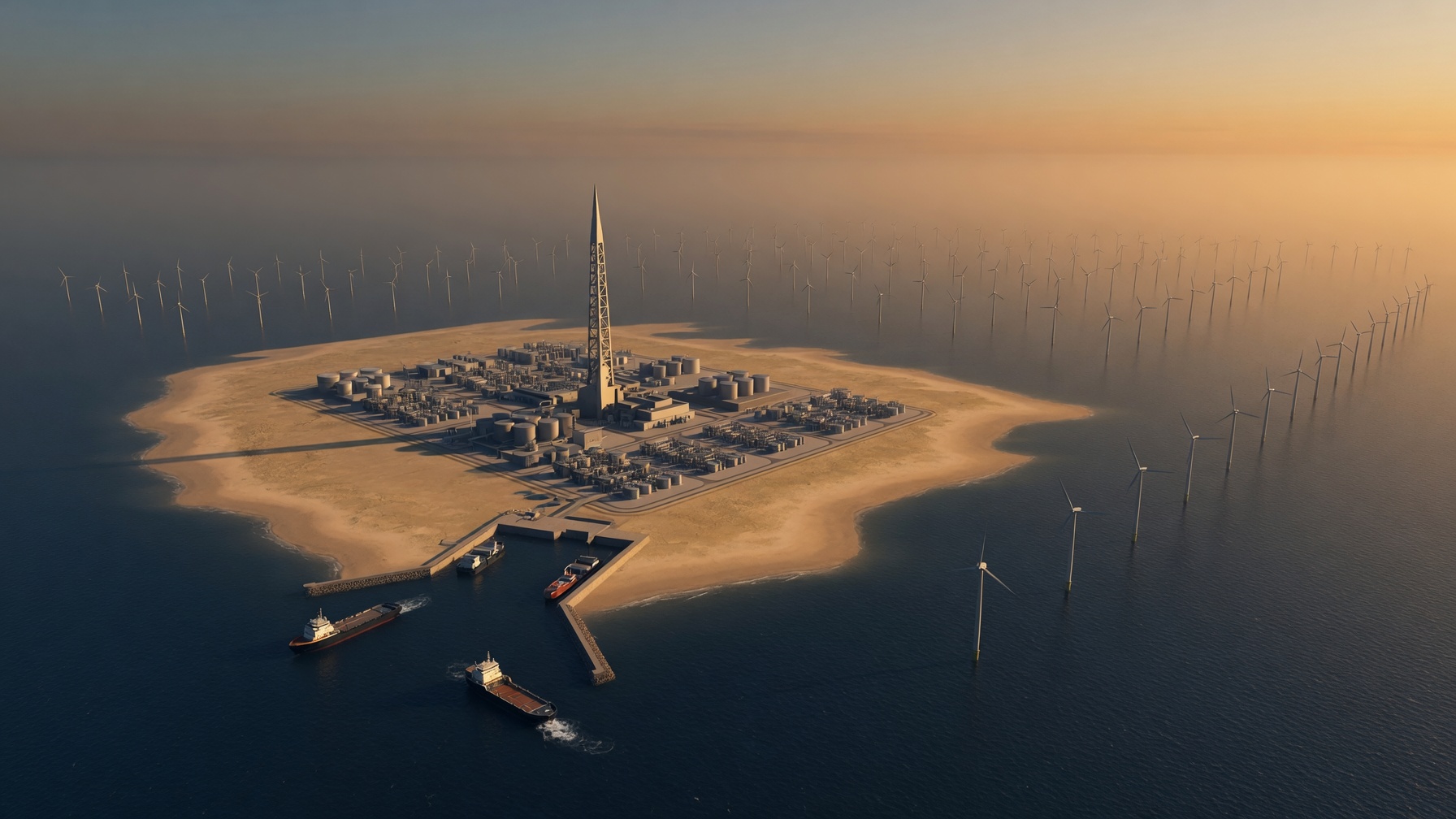
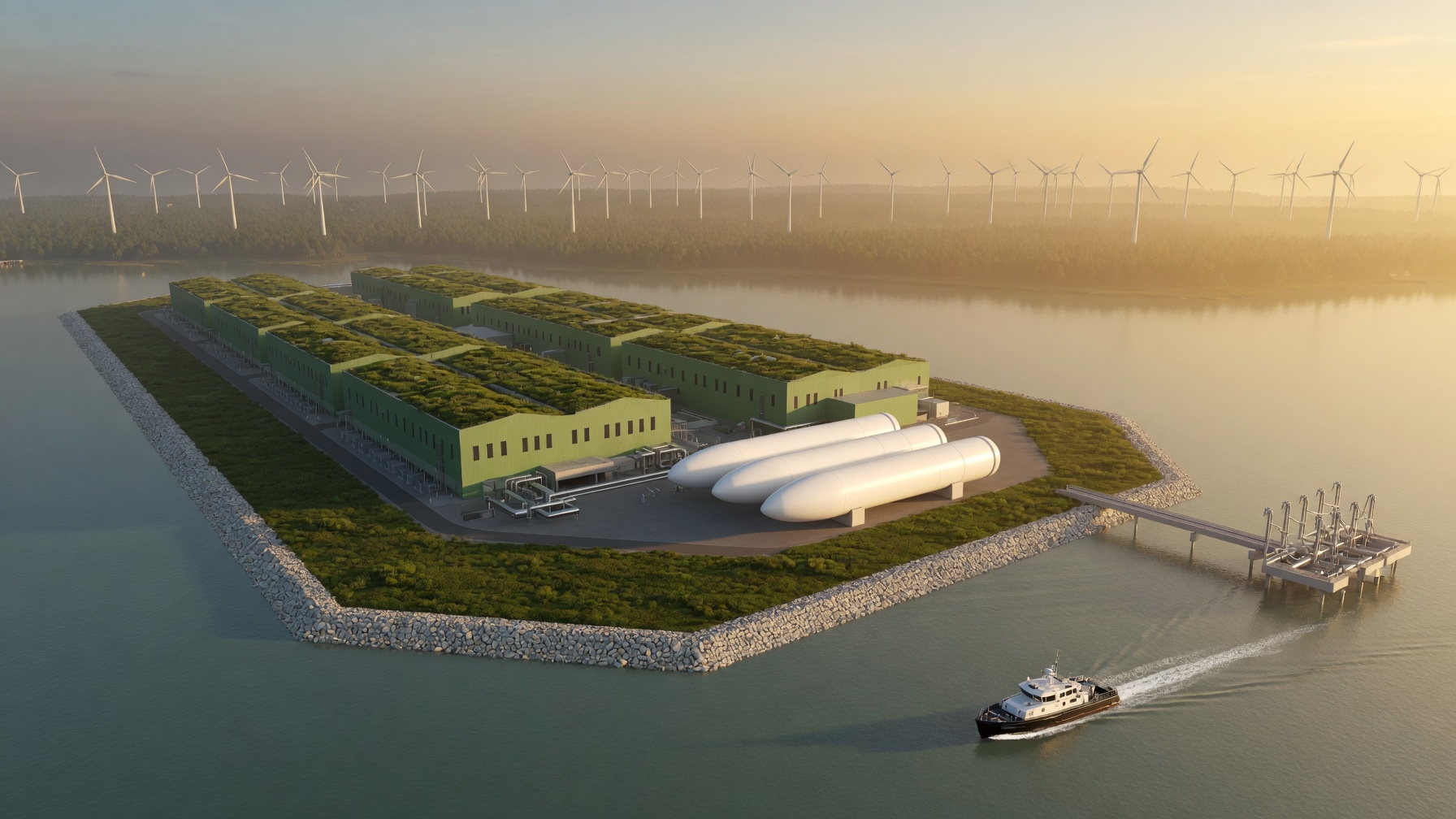
An offshore wind super-hub generating green hydrogen and interconnecting the British and European grids. Building on the 3.6 GW Dogger Bank Wind Farm already under construction.
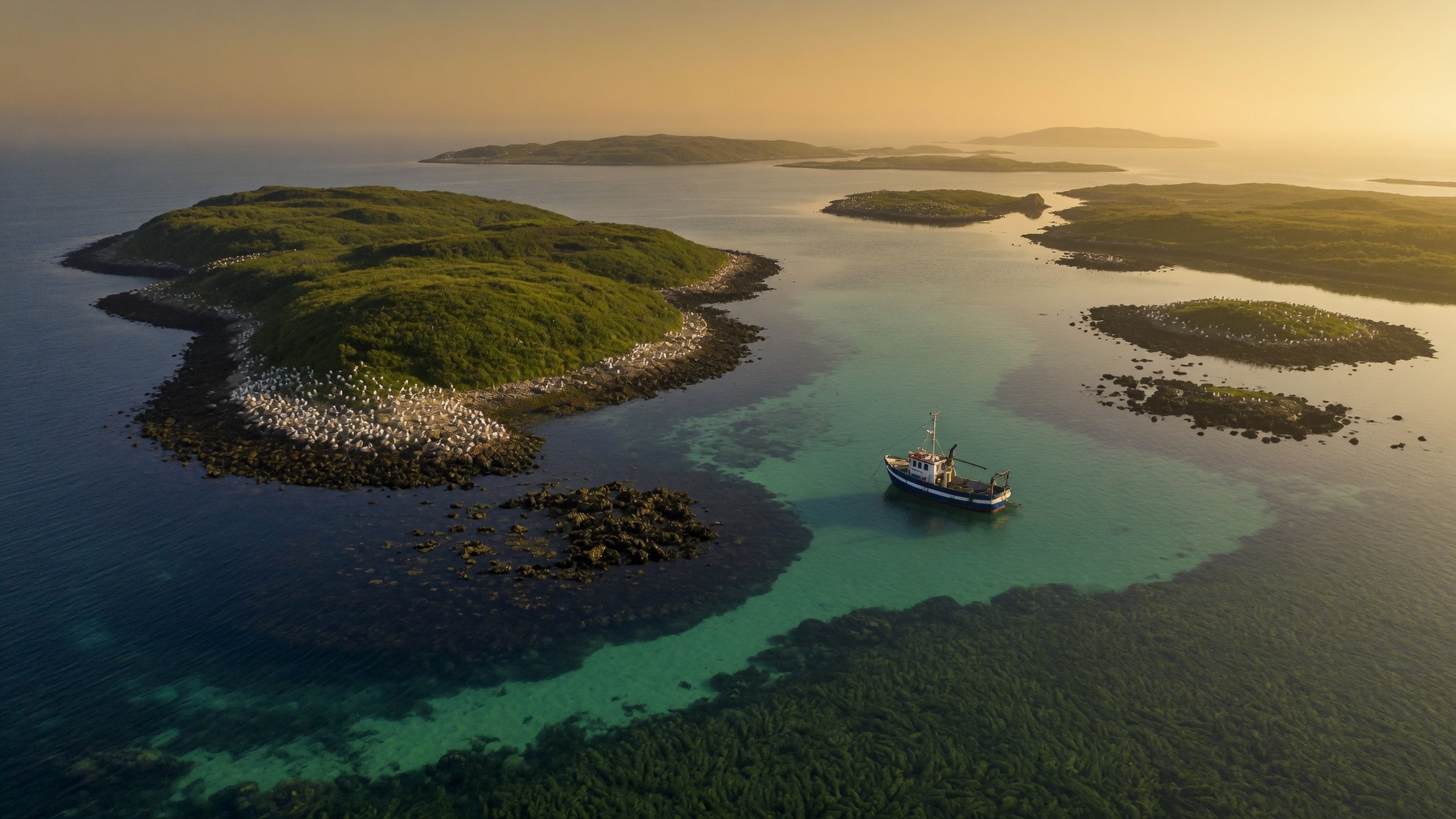
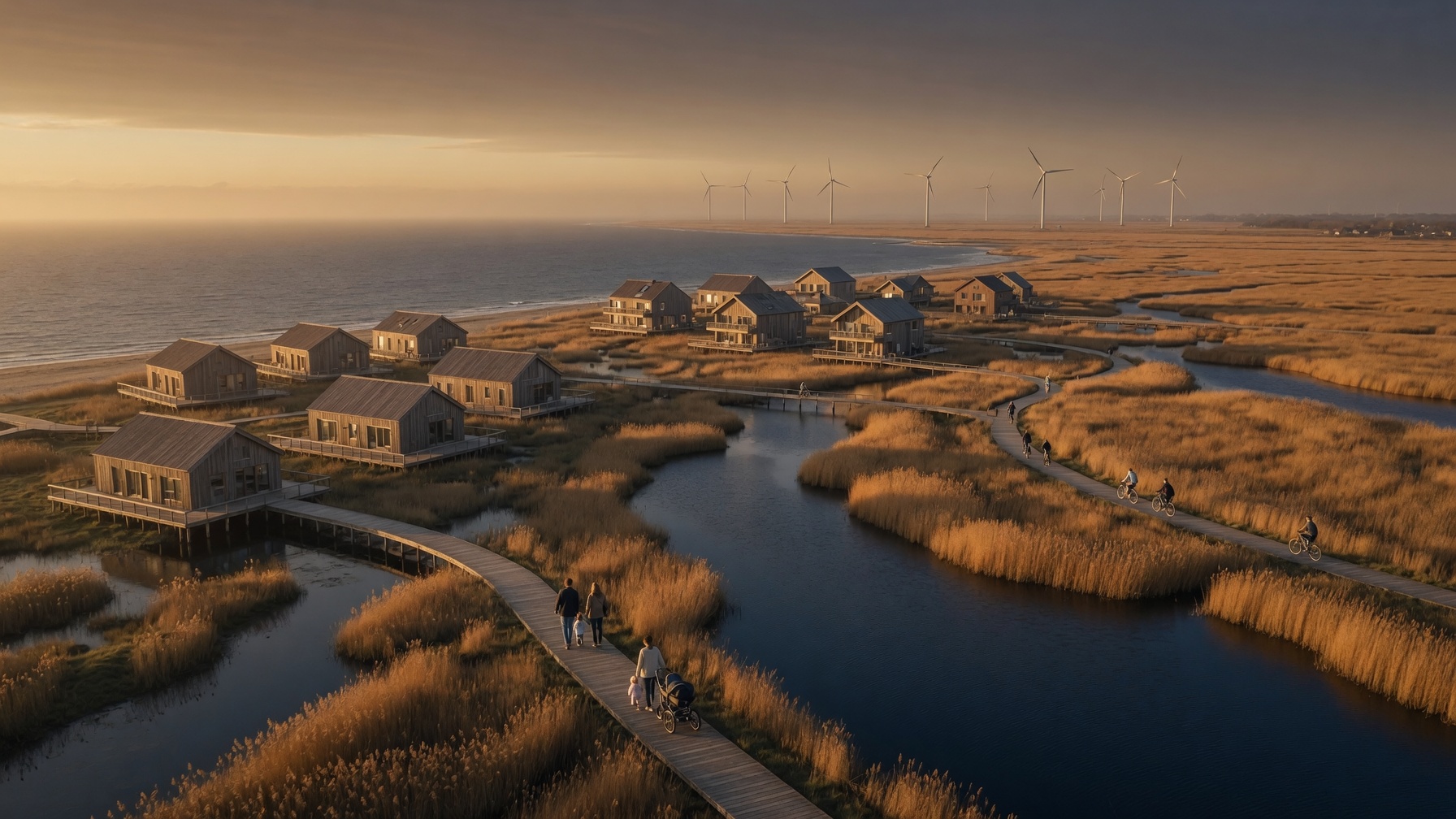
A constitutional no-take marine sanctuary with the largest native oyster reef restoration in European history — 50 million Ostrea edulis — alongside seagrass meadows, kelp forests, and fish spawning lagoons.
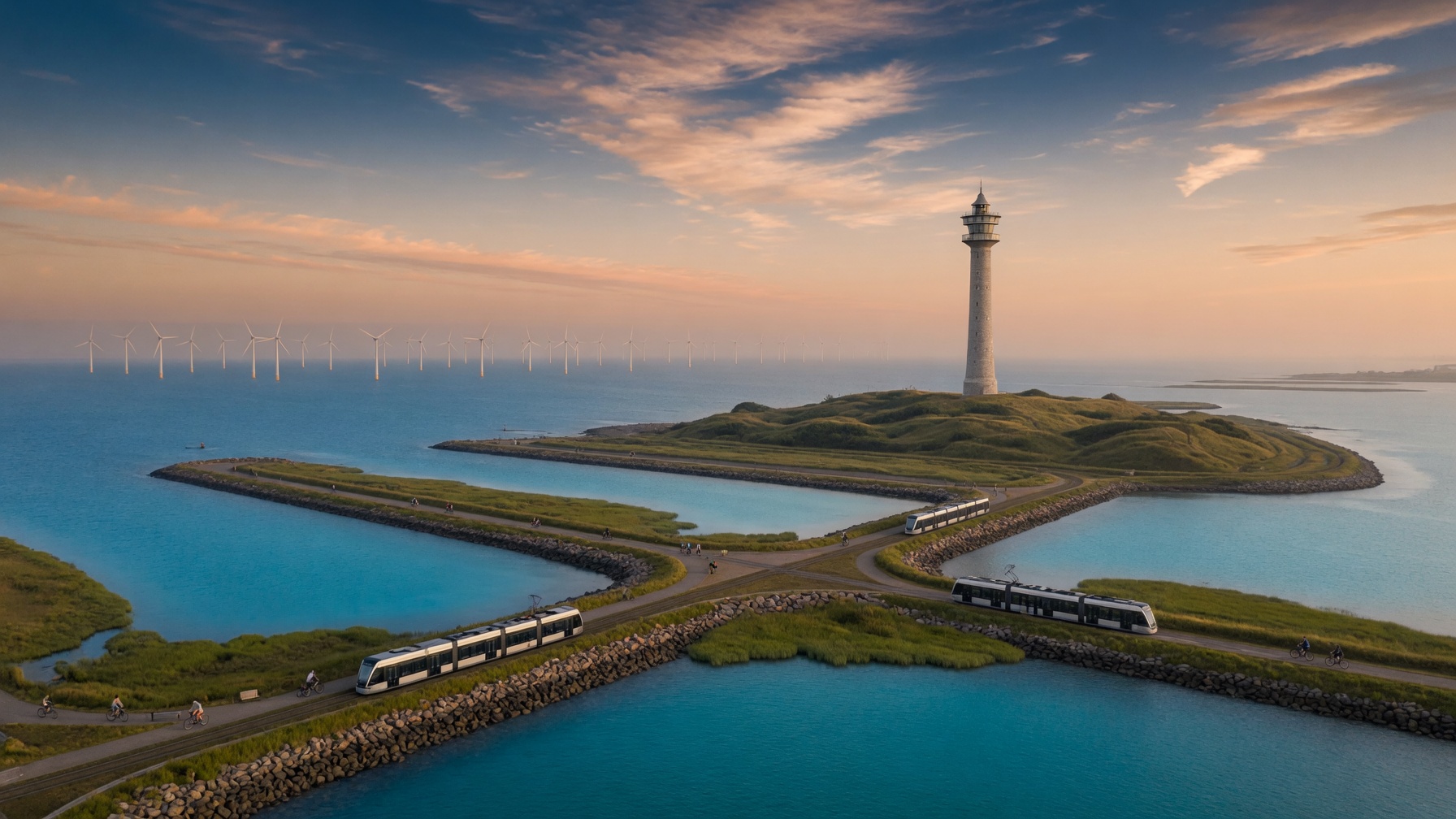
Stepping-stone causeways, bridges, and a rail corridor linking Hull and Rotterdam — re-establishing the land connection severed by rising seas 8,000 years ago.
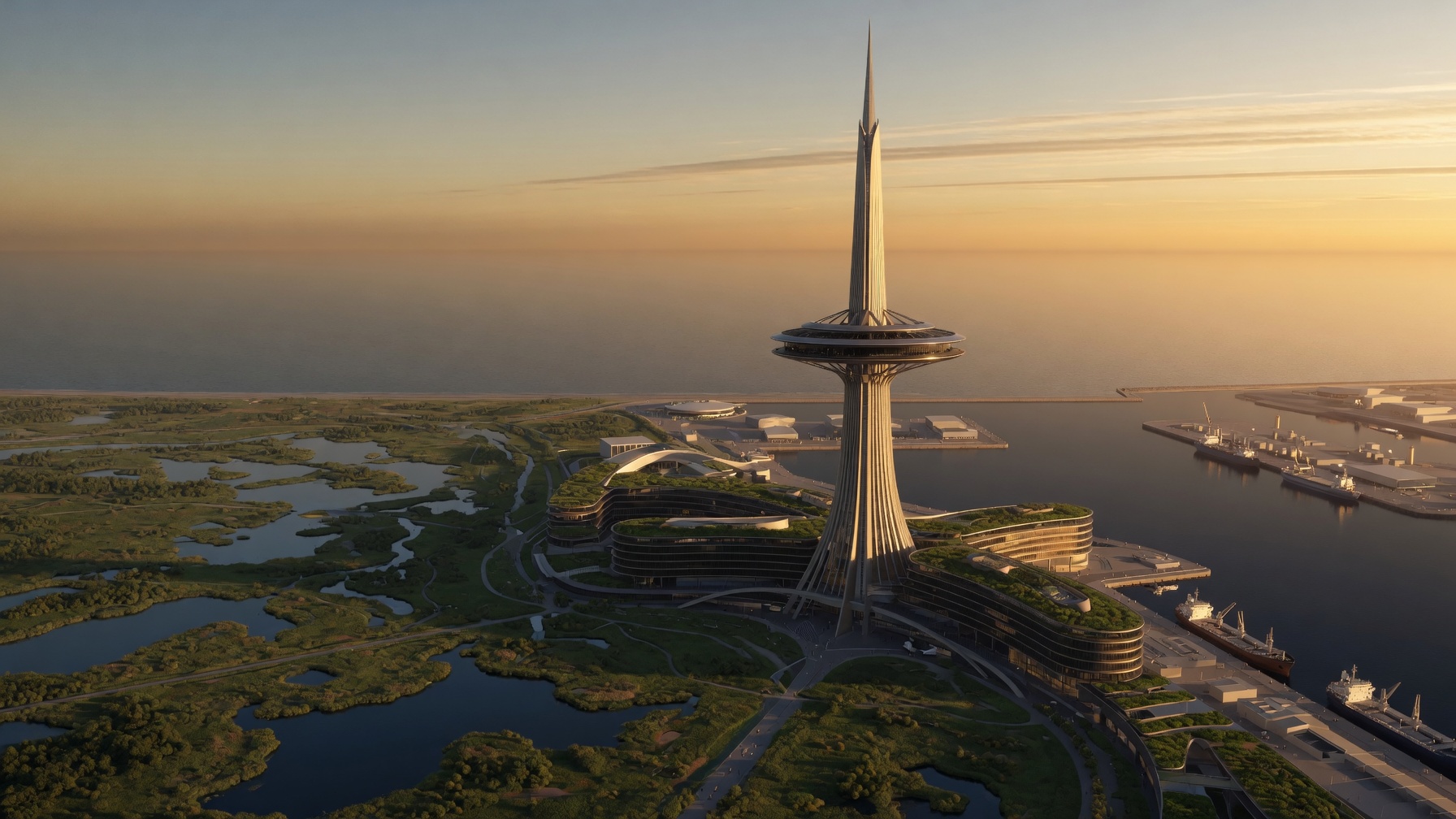
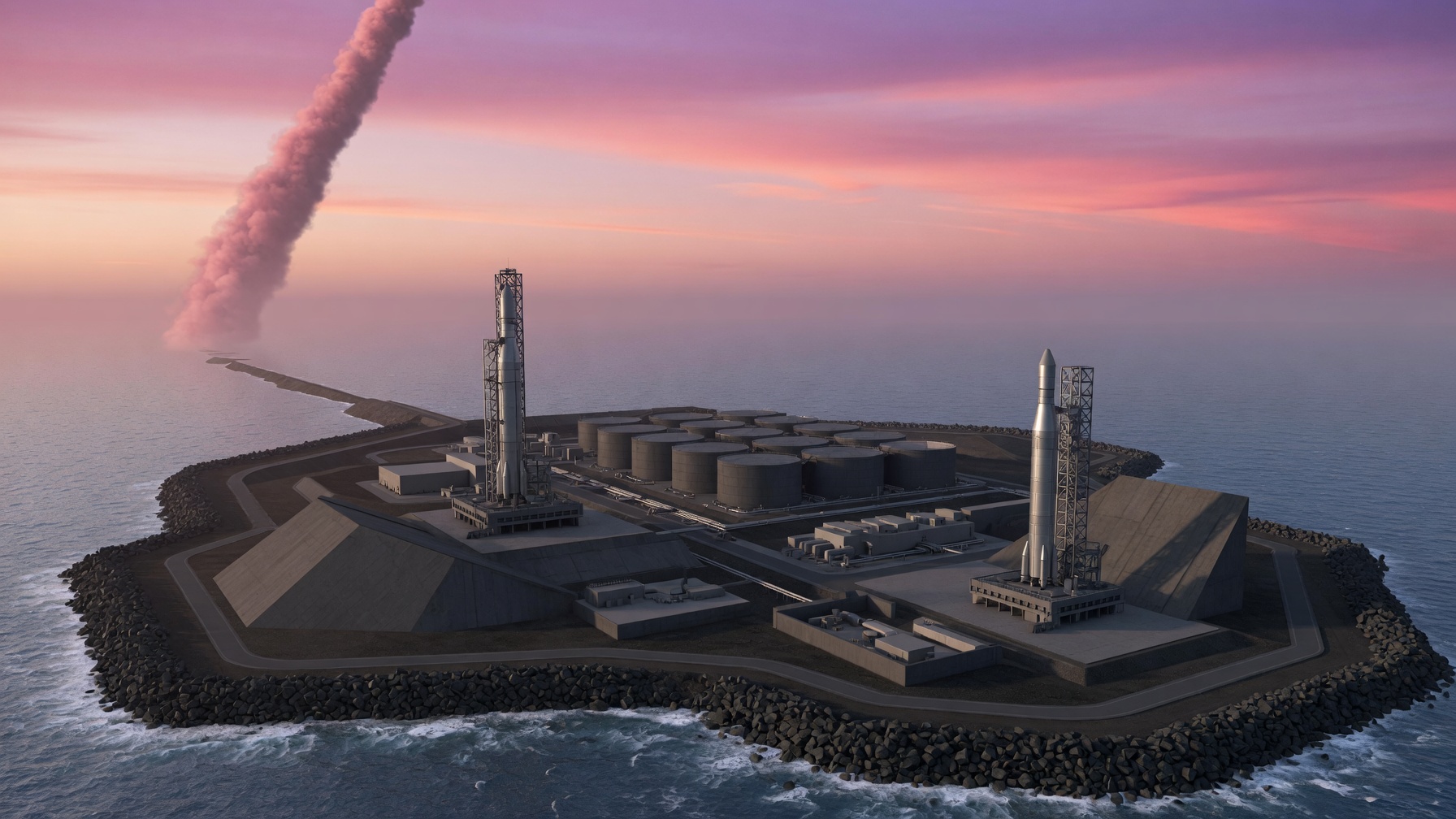
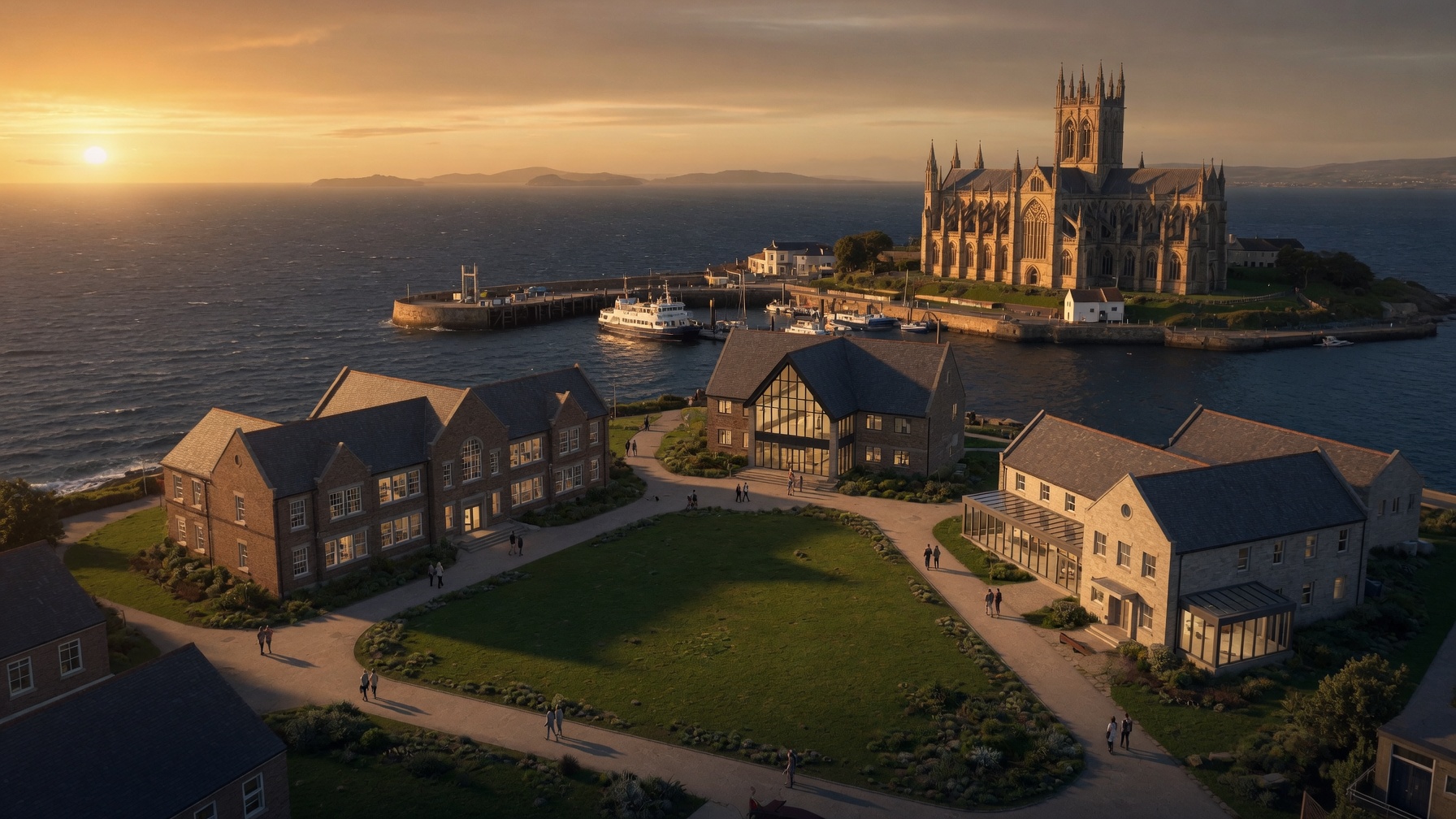
A marine science research station, aquaculture facilities, eco-tourism infrastructure, and a SpaceX-compatible spaceport on the outermost island.
Dedicated subsea archaeological zones for excavating ancient Doggerland — one of the most significant submerged prehistoric landscapes on Earth.
The Ancient Land
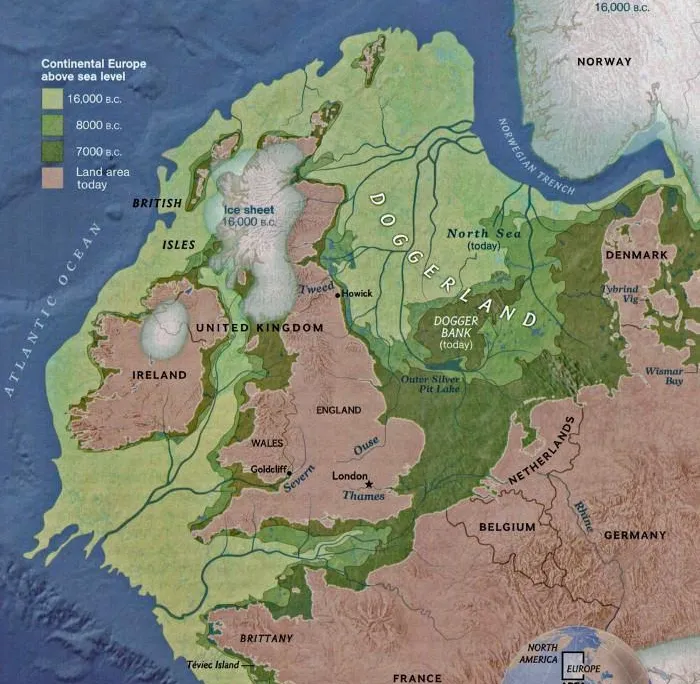
Doggerland was real. During the last Ice Age, a vast plain of tundra and marshland stretched across what is now the southern North Sea — home to mammoths, aurochs, and communities of Mesolithic hunter-gatherers who fished its rivers, hunted its forests, and built lives in its wetlands.
"It was not an empty sea. It was a world — and it is still there, beneath the water, waiting."
Around 6,200 BCE, a catastrophic submarine landslide off Norway — the Storegga Slide — triggered a tsunami that swallowed the remaining lowlands. The people of Doggerland were among the first climate refugees in human history.
Today, trawlers regularly dredge up mammoth teeth, ancient peat, and Mesolithic tools from the sea floor. The Europe's Lost Frontiers project at Cambridge University has mapped thousands of square kilometres of the submerged landscape using seismic survey data. The archaeology is extraordinary — and almost entirely unstudied.
Nieuw Doggerland will protect and excavate this heritage. The central hub island is planned for approximately 52.8°N, 2.1°E — on the very Dogger Bank sandbanks where the heart of the ancient land once stood.
We name this project in honour of the people who lived there, the engineers who will build it, and the vision that connects them across eight millennia.
The Journey Ahead
Founding prospectus, public launch, and assembling the Founding Circle of partners and supporters.
Engaging TenneT, Boskalis, Port of Hull, Port of Rotterdam. Detailed engineering studies and treaty negotiations.
Construction of the first island — Nieuw Haven — on the Dogger Bank. Energy infrastructure and marine sanctuary designation.
The island chains are built. Causeways, bridges, and rail links connect Hull to Rotterdam via the hub.
Declaration of Nieuw Doggerland as an autonomous binational territory — a new jurisdiction for a new century.
Get Involved
We are seeking infrastructure engineers, marine ecologists, energy experts, archaeologists, policymakers, and visionaries who believe the North Sea's future is above water.
Dredging, offshore construction, renewable energy, ports, and rail. If you build the future, we want to talk.
Marine biologists, archaeologists, climate scientists, and ocean engineers shaping what the sanctuary becomes.
Governments, development banks, sovereign wealth funds, and foundations with appetite for generational impact.
Write to us
hello@nieuwdoggerland.com